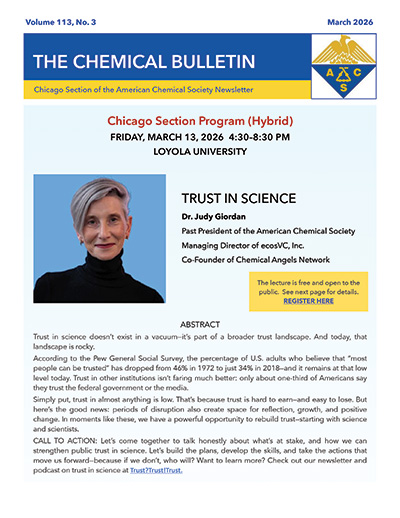
The March 2026 Chemical Bulletin 
PDF of the Latest Bulletin
https://chicagoacs.org/images/downloads/Chemical_Bulletin/2026_03_chembull.pdf
Next Meeting
March Program (Hybrid)
Friday, March 13
5:30 - 8:30 PM (+4:30 PM Student Discussion)
Loyola University
Chicago, IL
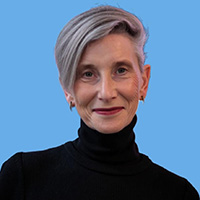
Dr. Judy Giordan
Past President of the American Chemical Society
Managing Director of ecosVC, Inc.
Co-Founder of Chemical Angels Network
“Trust in Science"
ABSTRACT
Trust in science doesn’t exist in a vacuum—it’s part of a broader trust landscape. And today, that landscape is rocky.
According to the Pew General Social Survey, the percentage of U.S. adults who believe that “most people can be trusted” has dropped from 46% in 1972 to just 34% in 2018—and it remains at that low level today. Trust in other institutions isn’t faring much better: only about one-third of Americans say they trust the federal government or the media.
Simply put, trust in almost anything is low. That’s because trust is hard to earn—and easy to lose. But here’s the good news: periods of disruption also create space for reflection, growth, and positive change. In moments like these, we have a powerful opportunity to rebuild trust—starting with science and scientists.
CALL TO ACTION: Let’s come together to talk honestly about what’s at stake, and how we can strengthen public trust in science. Let’s build the plans, develop the skills, and take the actions that move us forward—because if we don’t, who will? Want to learn more? Check out our Trust?Trust?Trust. newsletter and podcast on trust in science.
Program:
• 4:30 – 5:30 PM PRE-MEETING discussion with students
• 5:30 – 6:30 PM Social Hour
• 6:30 – 7:30 PM Dinner
• 7:30 – 8:30 PM Presentation and Q&A
PRE-MEETING Student Session:
Dr. Giordan would like to hold a discussion with students from 4:30 - 5:30, before the rest of the meeting starts. No extra signup required - ALL students are encouraged to show up and participate.
Boxed Dinners
- Albacore Tuna Salad Sandwich: albacore tuna, celery, red onion, green onion, lettuce, tomato, tuna dressing, harvest toast
- Tomato mozzarella Sandwich: fresh mozzarella, tomato, roasted red pepper, arugula, basil, balsamic vinaigrette, ciabatta ficelle
- Cranberry Pesto Sandwich: grilled chicken, tomato, arugula, pesto, aioli, house vinaigrette, ciabatta ficelle
- Crispy Cheddar Beef Sandwich: roast beef, BBQ mayo, green leaf lettuce, cheddar cheese, crispy onions, everything roll
All boxed dinners are served with a side of chips, fruit medley, mixed greens salad, and a cookie.
Drinks: Iced Tea, Lemonade, water, coffee
Event VENUE, COST
Chemistry Department
Flanner Hall (Building 25 on campus map)
1068 West Sheridan Road
Loyola University
Chicago, IL 60660
http://www.luc.edu/chemistry/
$20 ACS Members
$25 Guests
$10 Students and Postdocs
- No charge to attend hybrid or lecture-only in person
Parking: See P1 on campus map
7 min walk from CTA Red Line, Loyola stop
REGISTRATION
REGISTER NOW
Deadline To Register
12:00 noon, Wednesday, March 11
https://chicagoacs.starchapter.com/meet-reg1.php?id=240
Questions? Email us (info-at-chicagoacs.org) or contact us by phone (847-391-9091).
Meet the Speaker
Judy Giordan is Managing Director of ecosVC, Inc., co-founder of the Chemical Angels Network, venture founder and former Fortune 100 executive. She serves as board member, co-founder, advisor and investor in seed and early-stage start-ups and is co-host of the podcast and newsletter Trust?Trust!Trust found on Substack. Previously, she served as Corporate Vice President and Global Director of Research and Development at International Flavors and Fragrances, Inc., Vice-President of Worldwide Research and Development at Pepsi-Cola, and Vice President of Research and Development at Henkel Corporation, the North American operating unit of the Henkel Group. She is co-founder of ventures in areas including biofuels and executive search and has also held management and technical contributor positions at Polaroid Corporation and Alcoa Corporation.
Judy served with the National Science Foundation as a member of the Math and Physical Sciences (MPS) Directorate and Chemistry Advisory Boards, Chair of the Alan T. Waterman Award Committee, and as IGERT Program Officer. In 2023 she served as President of the American Chemical Society. She is an ACS Fellow and received both the Garvan-Olin and Henry Whelan Awards from ACS. She is a Member of the Women in Chemicals advisory Board. She has held various academic roles, including Professor of Practice at Oregon State University and the University of Southern Mississippi and Visiting Professor at Dartmouth College and North Carolina State University. Judy has a BS in Environmental Science and VoTech Ag from Rutgers University, a PhD in Chemistry from the University of Maryland, and was an Alexander von Humboldt post-doctoral fellow at the Goethe University, Frankfurt, Germany.
Letter from the Chair
√-1 23 Σ π
... and it was delicious!
If you, as a chemist, deciphered this mathematical rebus, you illustrated the third month’s theme for the ACS 150th anniversary-year celebration: interdisciplinary. Throughout history, chemistry has partnered with mathematics and other sciences to define and explain physical phenomena. For mathematicians, π represents the ratio between the circumference of a circle and its diameter. Biologists and chemists recognize the cation-π interaction as a major noncovalent binding force. Hückel’s Rule utilizes a mathematical equation, 4n + 2 π, to determine the aromaticity of a molecule. Besides the natural sciences, chemists have also found it necessary to include political and social sciences into their circle, creating the World Day of Peace or petitioning the United States government not to unleash the power of the atom as a weapon.
In August, Chicago will welcome chemists to the ACS national meeting, as it has in its past. Chicago’s past has been filled with many great chemists and achievements. A grandson of enslaved people, Percy Lavon Julian hailed from Montgomery, Alabama. While researching soybeans for the Glidden Company, headquartered in Chicago, he accidentally discovered a process to produce steroids from plant materials. Ultimately, Julian established his own company in Oak Park called Julian Laboratories, which focused on synthesizing steroid intermediates from Mexican yams. He was a pioneer in industrial-scale preparation of human hormones.
Born in Hamburg, Germany, 1925 Noble Prize Winner in Physics James Franck joined the University of Chicago in 1938. Instead of focusing on “the laws governing the impact of an electron upon an atom” as stated in his Nobel Prize award, Franck studied photosynthesis, admitting he struggled with the chemistry due to the complexity of biological systems. Later, he directed the Metallurgical Laboratory which became Argonne National Laboratory. Franck is buried at Oak Woods Cemetery, the final resting place of other well-known individuals including Enrico Fermi, Ida B. Wells, and Harold Washington. If you are interested in whetting the appetite of ACS members attending the Atlanta conference with additional stories of great scientists, consider volunteering at the Chicago ACS table this Spring.
It might be irrational, just like π; however, as an unofficial survey of Chicago chemists, consider emailing the type of pie you ate on Pi Day to chair-at-chicagoacs.org. I am guessing 3.14% of you will respond: lemon cream was delicious.
— AMY BALIJA
Project SEED
Summer Internship Opportunity
The ACS Chicago Section will be sponsoring Project SEED interns this summer at both the University of Chicago and DePaul University. To apply please visit the national website at https://www.acs.org/education/students/highschool/seed/apply.html. For local questions, please reach out to Coordinators: Raelynn.Miller-at-honeywell.com or cbaxter3-at-luc.edu.
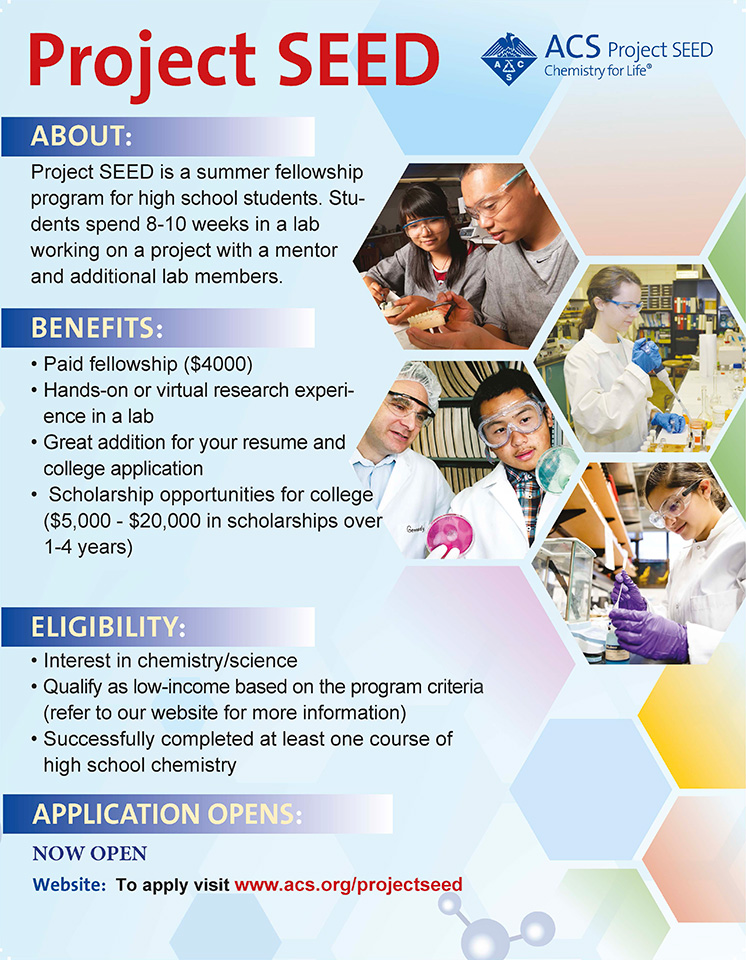
Program website: www.acs.org/projectseed
Opportunity
CALL FOR ABSTRACTS:
Historical Contributions in Chemistry
Fall National Meeting in Chicago
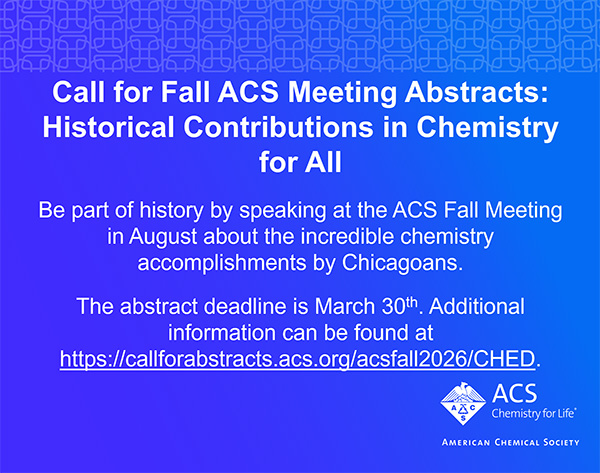
DEADLINE = March 30
More information at:
https://callforabstracts.acs.org/acsfall2026/CHED
From the Editor's Desk
FROM THE EDITOR’S DESK
Dear Readers,
Early March in the Northern Hemisphere brings the promise of longer, gradually warmer days, and (hopefully) less snow. After a cold winter, many are ready for a bit of a break! As a Local ACS Section we are fortunate to have dedicated volunteers who look after monthly programming and arrangements, A/V technologies, recording photographs, coordinating Project SEED, writing up kids’ experiments, composing the Chair’s message, and energetically working to gather Women Chemists and Younger Chemists for networking, career development, and social enjoyment. In this issue you will find evidence of all of the above efforts, so please continue reading. Just for fun, here are a few pieces of Chemical Bulletin trivia. For several years, beginning in October 1914, our newsletter was called The Chicago Chemical Bulletin and, in those early days, monthly “issues” were called “numbers”. For several years there was a July number called a Directory which listed the addresses and phone numbers of all Chicago Section members. Most of the issues since the bulletin’s origin are available online at HathiTrust.org, which can also be accessed at chicagoacs.org by selecting the News tab. We can be justly proud of continuing the bulletin tradition. Another Local ACS Section with a long newsletter history is Philadelphia, with monthly publication of The Catalyst. It would be interesting to compare coverage of major events in the history of chemistry in the two newsletters. I can be reached at editor-at-chicagoacs.org.
— MARGARET E. SCHOTT
Recent Meeting
Three Events:
Feb 10: IUPAC Global Women’s Breakfast
Feb 15: Chemists Celebrate Chinese New Year
Jan 15: Joint ACS/AIChE Meeting on Carbon-Based Energy
•
IUPAC Global Women’s Breakfast
The Women Chemists Committee of the Chicago ACS Section celebrated the International Day of Women and Girls in Science by participating in IUPAC’s Global Women’s Breakfast GWB) on February 10th. The theme for 2026 was “Many Voices, One Science”. This was Chicago Section’s 4th IUPAC Global Women’s Breakfast. The group met at the Bryn Mawr Breakfast Club in Belmont Gardens for a delicious meal. The 2026 GWB event connected 425 events across 64 countries and more than 30,000 attendees. IUPAC is the International Union of Pure and Applied Chemistry. Next year’s event will take place on February 16, 2027.
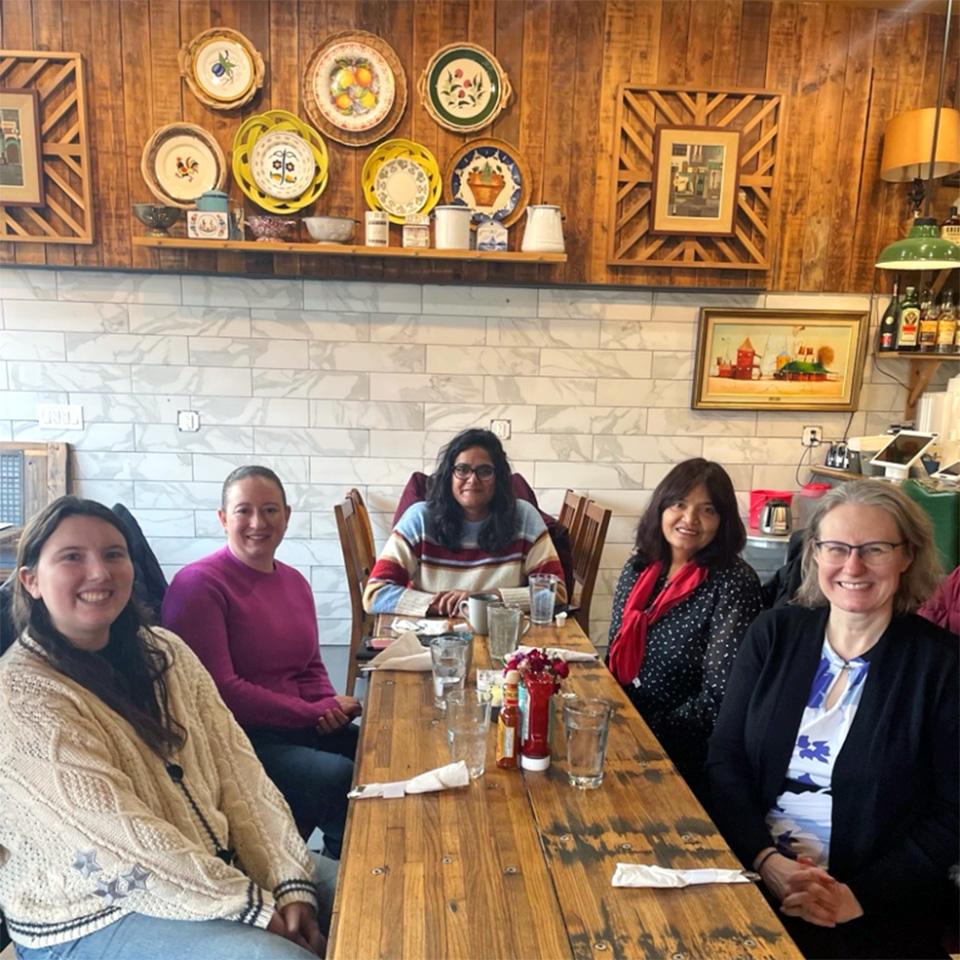
Pictured are Chicago area attendees (left to right) Claire Kennedy, Sunshine Silver (ACS Chicago Section Vice Chair), Sindu Shankar, Anita Mehta (ACS Chicago Section Past Chair), and Amy Balija (ACS Chicago Section Chair).
Find out more about the event at: About The Breakfast - IUPAC | International Union of Pure and Applied Chemistry
Chemists Celebrate
Chinese New Year
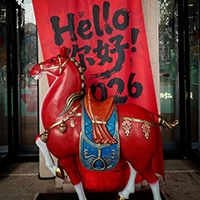
The Great Lakes Chinese American Chemical Society (GLCACS) celebrated the Year of the Fire Horse (see thumbnail image above) at a Lunar New Year’s Party on Sunday, February 15, 2026 in Libertyville. The event was co-sponsored by the Chicago ACS Section. Members of the Chicago Section of the American Institute of Chemical Engineers were also present.
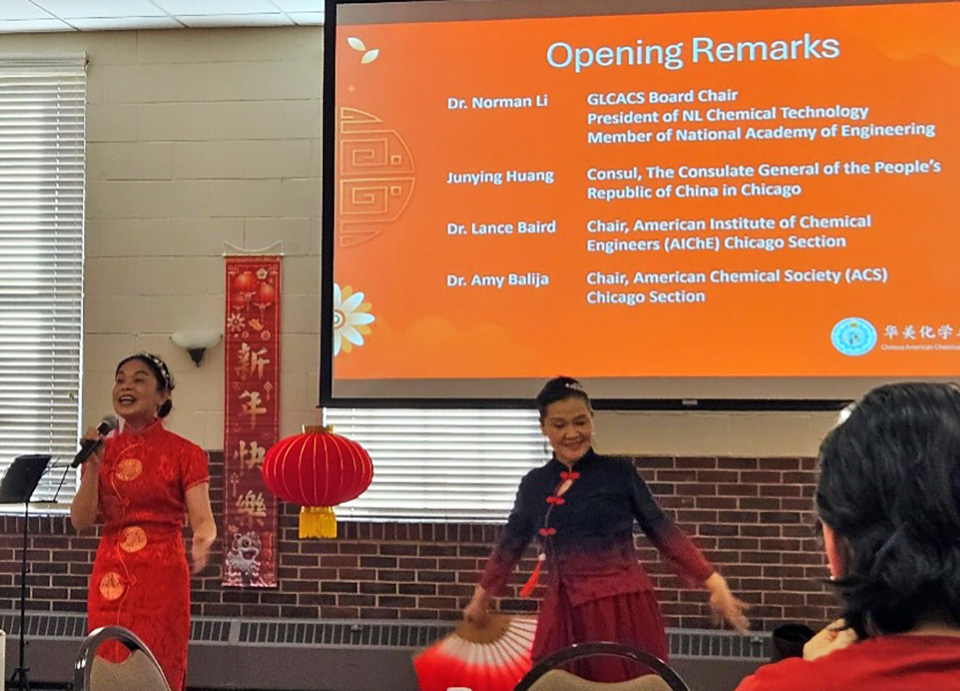
Many beautiful performances occurred during the festivities
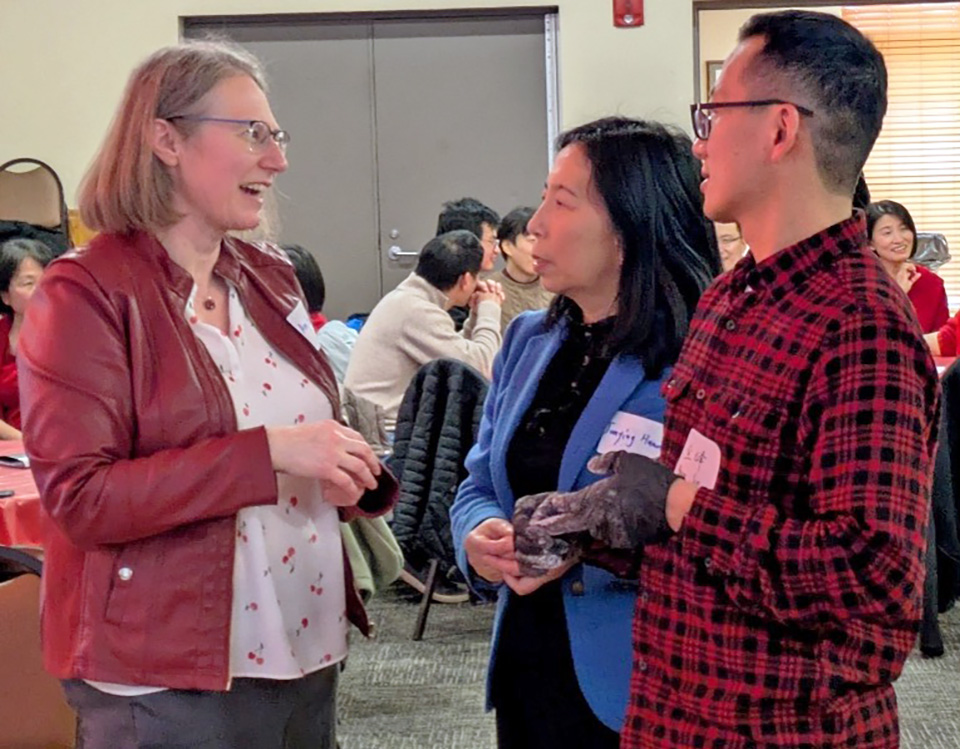
Chicago ACS Chair Amy Balija speaking with Junying Huang, Consul from the Consulate General of the People’s Republic of China in Chicago, and other participants.
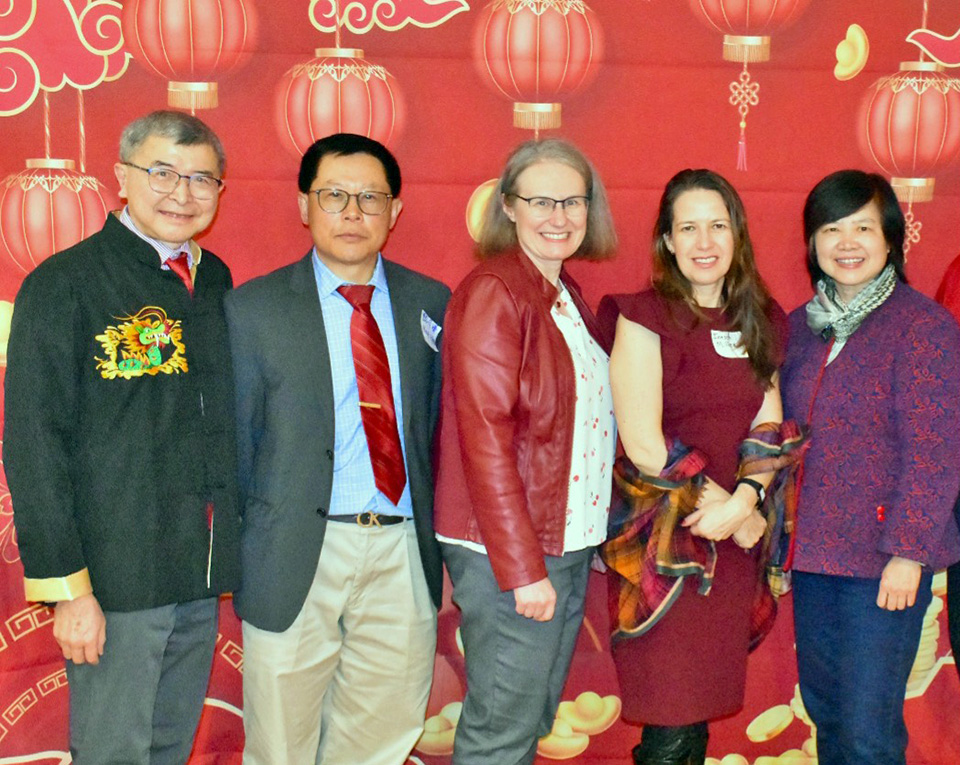
Great Lakes Chinese American Chemical Society (GLCACS) President Xiaomao Wu, Mark Chen, Chicago ACS Chair Amy Balija, Chicago ACS Chair Elect Inessa Miller, Lilly D’Angelo.
Credit for image at top left:
pexels-shuaizhi-tian-485596-35229648
Joint ACS/AIChE Meeting on
Carbon-Based Energy
The 2026 edition of the annual joint meeting of the Chicago Sections of ACS and AIChE took place on the evening of January 15 at Moretti’s Restaurant in Rosemont. AIChE stands for the American Institute of Chemical Engineers. The program speaker, Dr. Leigh Abrams of Honeywell UOP, was selected by the chemical engineers’ group this year. She spoke on Honeywell's UOP eFining™ methanol to jet process and renewable fuels. The eFining process technology enables the production of aviation fuel from methanol, offering up to 88% lower greenhouse gas emissions compared to conventional jet fuel. There was a robust turnout for the event.
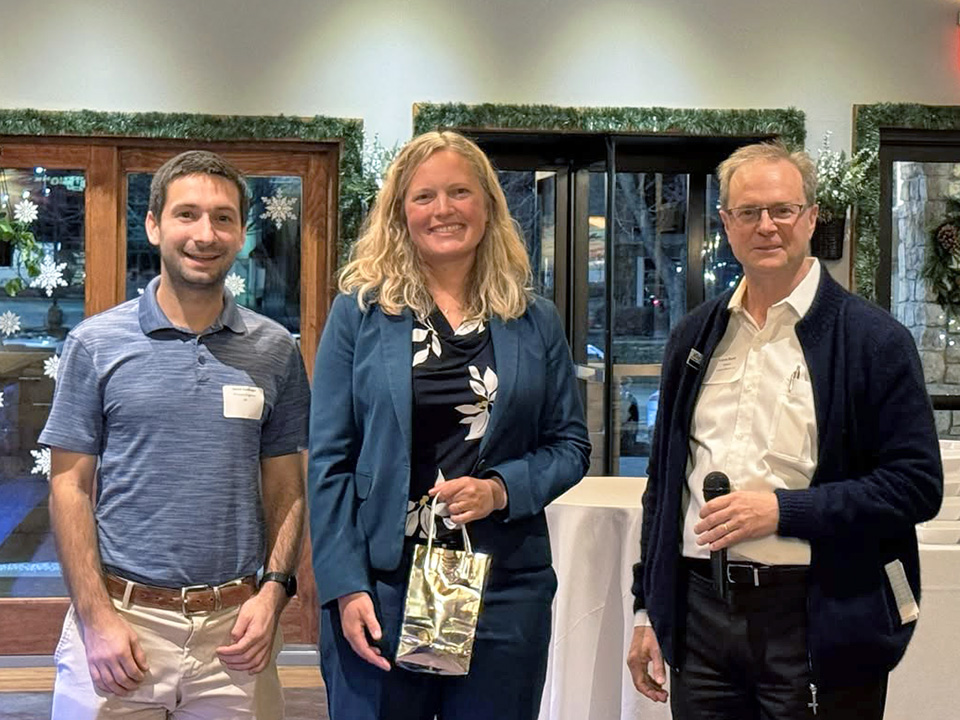
Jacob Saldinger (left, AIChE Program Chair), Abrams (center, speaker), Lance Baird (right, AIChE Chair)
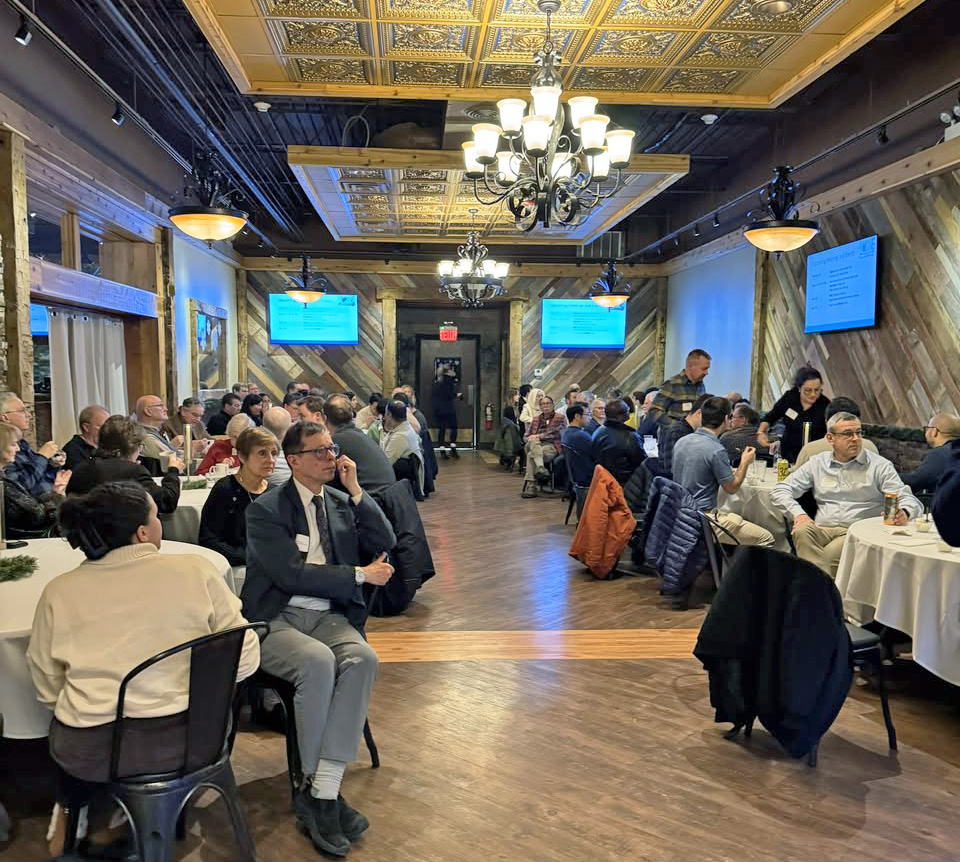
View of the venue and audience, with Nic Gerst (left/center) listening to the speaker.
Images: AIChE Chicago Section
From the Archives
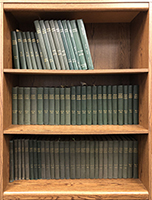
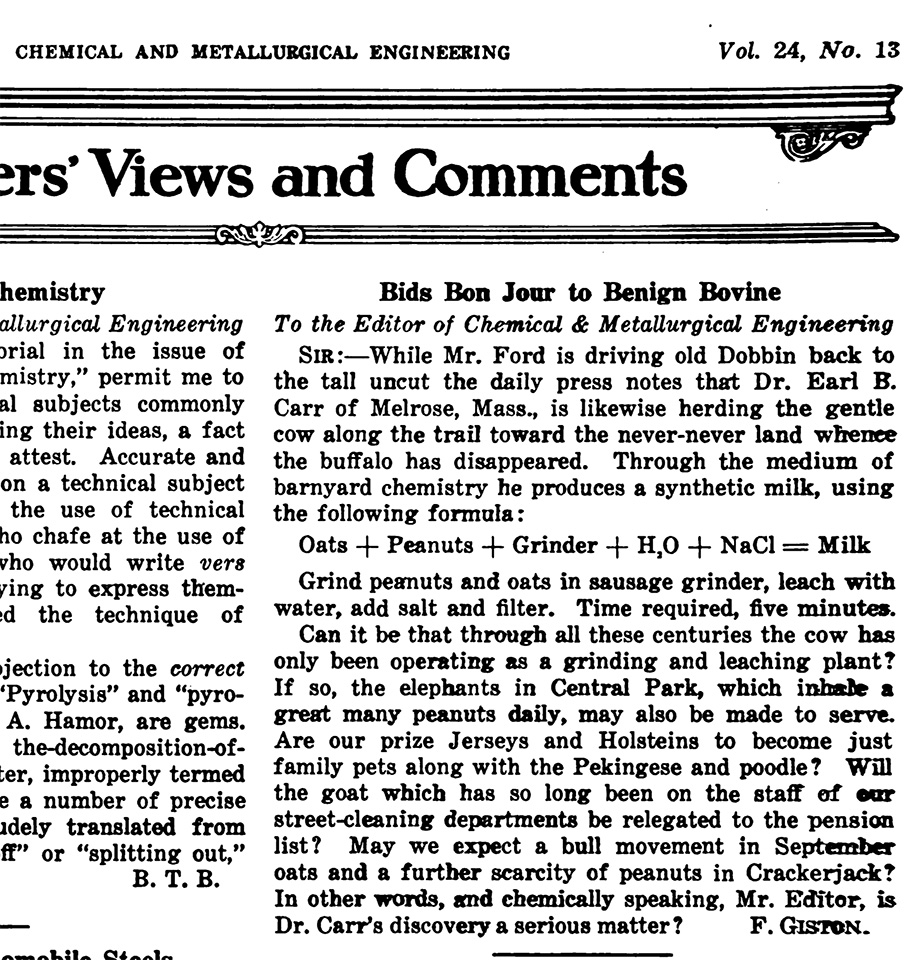
The humble cow features prominently in this humorous piece from the March 30, 1921 issue of Chemical and Metallurgical Engineering. It seems the article’s author, Mr. F. Giston, left a few questions unanswered: Would the chemical engineers out there not prefer to see the “chemical equation” represented by a process diagram? And would it be safe to assume that the grinder does not end up in the “milk”? Perhaps the metallurgical engineers included the grinder to include some metal in the reaction. In any event, the Starbucks Coffee Company might be interested in adding the oat-peanut concoction to its growing list of milk alternatives for your morning cup of joe.
— Ed.
Younger Chemists Committee
Younger Chemists Social Event
At Loyola University
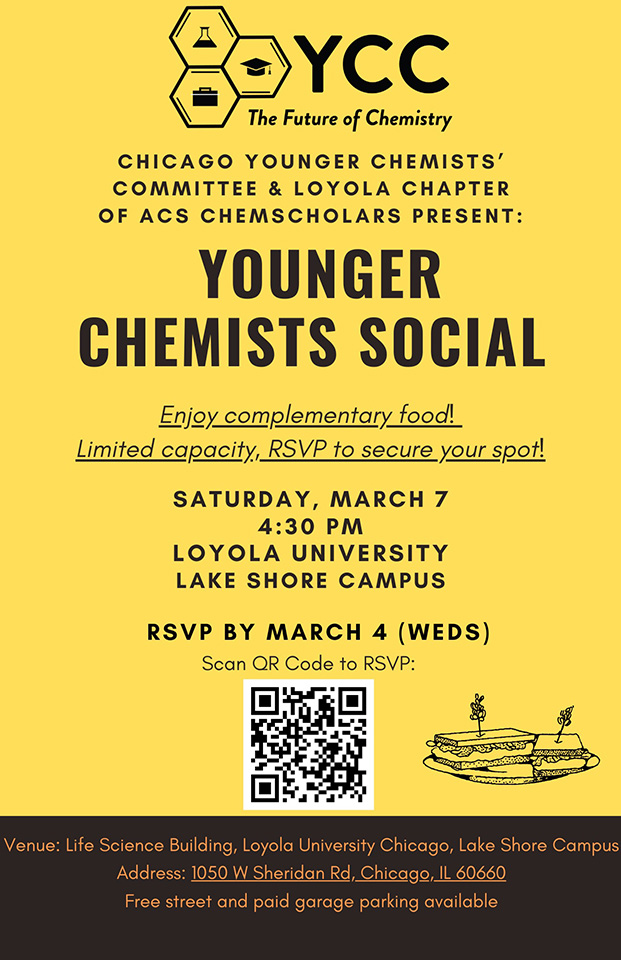
Organized by the Chicago Section Younger Chemists' Committee and Loyola Chapter of ACS Chemscholars.
DATE& TIME: Saturday, March 7 at 4:30 PM
LOCATION: Loyola University Lakeshore campus, Life Science Building
RSVP by Wednesday March 4: https://tinyurl.com/ycc2026-0307
Space is limited! Register now to secure your spot.
ChemShorts for Kids
FLower Power
Introduction:
As the weather gets warmer, flowers begin to bloom. How exactly? Well, flowers need water just as much as we do, but how do they “drink” water? This experiment will answer your burning questions. Not only is this experiment simple, but super fun and colorful. With just three materials, we can explore the world of capillary action, like last month, but see it in nature instead!
Materials:
- White carnations (daisies or chrysanthemums will also work)
- Clear cup (glass or plastic)
- Food coloring
- Water
Safety:
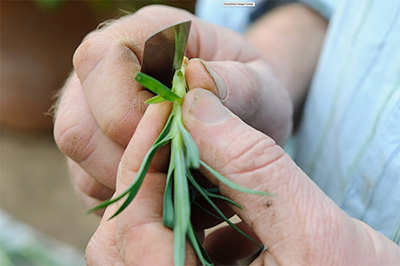
For the best success in this experiment, cut the stem at a 45° angle with a sharp knife/blade. Make sure an adult is present and able to perform this step for you. Using a sharp knife/blade allows for the cleanest possible cut for the xylem, which is crucial in transporting water to the flower, allowing for the best results!
Experiment:
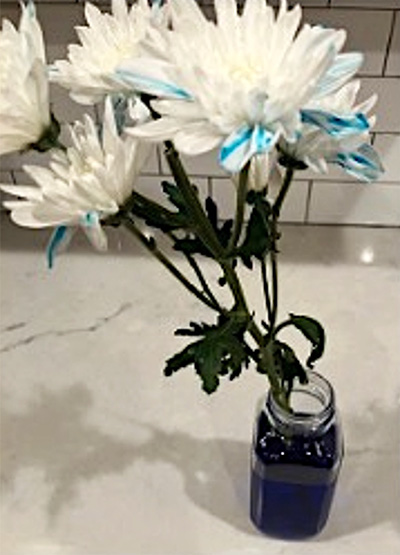
After an adult cuts the stem at a 45° angle, take your clear cup and fill it ¾ of the way with water. Pick a fun color of your choice and add 5-6 drops of food coloring, then mix. Afterwards, simply place your cut carnation in the water and allow it to sit for a minimum of 3-4 hours. You will notice that as more time passes, the more vibrant and colorful your flower becomes!
What’s Happening?:
So, how does the carnation magically appear colorful? Like us, plants sweat and lose water (in a plant, this is called transpiration). Plant stems contain xylem (this is analogous to our arteries and veins), which helps the plant transport water up through the roots to areas where the plant needs water, such as the stem, leaves, and petals. As time passes, the xylem transports the water (and its contents) all the way to the petals, making them appear the same color as the water.
Extension/Final Notes:
Could you use various other white (or colored) flowers, such as roses and peonies? Could you even use celery stalks? If you double the amount of food coloring will the flower be more vibrant? Could you blend primary colors into secondary colors to make a whole rainbow of flowers? Could you, halfway through the experiment, put the flower into a different cup with a different primary color? Could you split the stem in half and put one half in blue and the other half in yellow and get a green flower? Will they mix? If you cut the stem closer to the flower, will it take less time to travel up the xylem? If you cut the stem horizontally, will that affect the uptake of the color?
Resources:
To view past “ChemShorts for Kids” activities, go to:
https://chicagoacs.org/ChemShorts.
— PAUL BRANDT & MAGGIE KNOPF
Save the Date
MARK YOUR CALENDAR
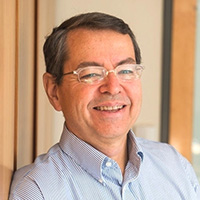
115th Willard Gibbs Award Celebration
Stephen L. Buchwald
Department of Chemistry
Massachusetts Institute of Technology
"Palladium-catalyzed Carbon-
Nitrogen Coupling Reactions:
How Did We get Here
and Why do We Care?"
When: Friday, May 15, 2026
Where: Meridian Banquets
1701 Algonquin Road, Rolling Meadows, IL 60008
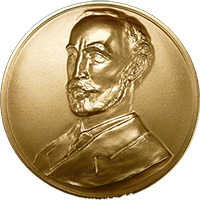
The Chicago Section of the American Chemical Society (ACS) is honoring Professor Stephen L. Buchwald with the 115th Willard J. Gibbs Award. This award is presented to a distinguished scientist who is selected by a jury of esteemed professionals, including past recipients. The selection is chaired each year by the Chair-Elect of the Chicago ACS Section.
Stephen L. Buchwald Ph. D., was born in 1955 in Bloomington, Indiana. He earned his Sc.B. degree from Brown University in 1977 where he conducted research with Professors Kathlyn A. Parker and David E. Cane at Brown as well as with Professor Gilbert Stork at Columbia University. He entered Harvard University as a National Science Foundation Predoctoral Fellow in 1977 and received his Ph.D. in 1982. His doctoral research work, under the direction of Professor Jeremy R. Knowles, focused on the mechanisms of phosphoryl transfer reactions in chemistry and biochemistry.
Following his Ph.D., he was a Myron A. Bantrell postdoctoral fellow at Caltech working with Professor Robert H. Grubbs on titanocene methylenes as reagents in organic synthesis and the mechanism of Ziegler-Natta polymerization. In 1984 he joined the faculty at MIT as an Assistant Professor of Chemistry. He was promoted to Associate Professor in 1989 and to full Professor in 1993, and was named the Camille Dreyfus Professor in 1997. From July 2015-August 2023, he served as Associate Head of the MIT Department of Chemistry.
Over the course of his career, Professor Buchwald has mentored more than 240 postdoctoral researchers, 100 graduate students, and numerous undergraduates and visiting scholars – many of whom have gone on to distinguished careers in academia and industry.
Upcoming Events

ACS Webinars
Link to Webinars: https://www.acs.org/acs-webinars.html
• FREE Live weekly broadcasts for the general public using a free ACS ID.
• Exclusive edited recordings and webinar summaries for ACS members.
How to Build Smarter Polymer
Nano-composites
March 4
1:00 PM CST | 2:00 PM EST
•
Navigating Career Disruption:
Reframe, Adapt, and Reengineer
March 5
1:00 PM CST | 2:00 PM EST
•
VIEW DOZENS OF PAST
CHICAGO ACS SECTION PROGRAMS!
HERE IS A SAMPLING:
“The World of Chemistry on Postage Stamps”
with Dan Rabinovich
“125 Years of Chemistry in Chicago”
with Josh Kurutz
“53I15P: Career Opportunities for Young Chemists in Intellectual Property”
with Adam D. Sussman
https://www.chicagoacs.net/videos/index.html
Scripps Front Row Lecture Series
ALL: Wednesday 4:00 pm PST / 6:00 pm CST
“The choreography of life: What a protein’s
‘dance’ says about health and disease”
Dorothee Kern, PhD | March 11
•
“From molecule to medicine:
New therapies for heart disease,
cancer, and global health”
Sean Joseph, PhD | April 22
Reserve your Zoom seats at:
https://frontrow.scripps.edu/
CHICAGO-AREA SEMINARS,
COLLOQUIA & SCIENCE CAFES
American Institute of Chemical Engineers (AIChE)
- Plant Tours!
Refer to the AIChE newsletter for a listing of future local, regional, and national events
https://www.aiche.org/community/sites/local-sections/chicago
• Mar (date TBA) – Tour of the Chicago Mondēlez International Bakery & Process Safety in the Food Industry.
• Apr 14 – 18th annual AIChE Midwest Regional Conference 2026 at Illinois Institute of Technology
•
NORTHERN ILLINOIS UNIVERSITY (NIU) –
STEAM CAFES
Event venue is Fatty’s Pub and Grille in DeKalb.
Wednesday, March 4, 6:30 PM
“Turning Sewage into Energy"
https://niusteam.niu.edu/programs-events/
•
NORTHWESTERN UNIVERSITY (NU), EVANSTON –
FRONTIERS IN NANOTECHNOLOGY SEMINAR SERIES
Free and open to the public. Coffee, tea, and pastries served 15 minutes prior to the seminar.
• Mar 12 – Justin Hanes (Johns Hopkins University) / Apr 30 – Mircea Dinca (Princeton University)
• May 7 – Todd Emrick (University of Massachusetts Amherst) / May 14 – Chibueze Amanchukwu (UChicago)
• May 21 – Younan Zia (Georgia Institute of Technology)
CHICAGO SECTION BOARD MEETINGS
Open to all Section members. For Zoom link, contact: office-at-chicagoacs.org
2026: March 12, April 9, May 14, June 11, August 7, Sep 13, October 8, Nov 12, Dec 3
•
Deadlines for Bulletin Submissions
Deadline for bulletin submissions is the 16th of each month. Content can include photos, reports, past event summaries, flyers and information for upcoming events, original articles, current chemistry, etc. Contact editor-at-chicagoacs.org. Thank you!
March 16th for April issue
April 16th for May issue
Chicago ACS Section Programs
https://chicagoacs.org/meetinginfo.php
|
Friday, March 13 Loyola University - Flanner Hall, Chicago |
Dr. Judy Giordan on “Trust in Science” – SEE ABOVE |
|
March 22-26, 2026 Atlanta, GA |
Spring ACS National Meeting in Atlanta, with in-person and Zoom programs. |
|
Saturday, April 25, 2026 The Great Escape, |
Senior Chemists Luncheon with Dr. Katherine Lee, plus celebration of our 50-, 60-, and 70-year ACS members. |
|
Friday, May 15, 2026 Meridian Banquets, |
Gibbs Medal Lecture & Banquet, celebrating medalist Prof. Stephen L. Buchwald of MIT – SEE ABOVE |
|
Jun / Jul |
(TBD Family-friendly event) |
|
Aug 23 - 27, 2026 McCormick Place, |
Chicago Section to host Fall ACS National Meeting of the American Chemical Society |
| Sept & Oct
|
(TBD) Monthly Programs |
|
Nov 6 Northwestern University |
Basolo Medal Lecture at Northwestern University, with dinner to follow, celebrating medalist Prof. Kimoon Kim |
Please also refer to the Section’s website chicagoacs.org/meetinginfo.php and social media accounts.
29th Biennial Conference on Chemical Education
The 29th Biennial Conference on Chemical Education (BCCE) will take place July 26–30, 2026 on the lakeside campus of the University of Wisconsin–Madison. BCCE is the largest gathering of chemistry educators in the world—bringing together instructors, education researchers, K–12 teachers, and education-focused professionals to share ideas, build community, and strengthen chemistry teaching and learning across contexts.
Board & Committee Members

2026 Chicago ACS Section Officials
|
Chair Chair-Elect Past Chair Vice Chair Secretary Treasurer |
Amy Balija Inessa Miller Anita Mehta Sunshine Silver Michael Koehler Russ Johnson |
|
|
Directors |
2025-2026 Daniela Andrei 2026-2027 Ken Fivizzani |
directors-at-chicagoacs.org |
|
Councilors |
2024-2026 Paul Brandt 2025-2027 Josh Kurutz 2026-2028 Amy Balija |
councilors-at-chicagoacs.org |
|
Alternate |
2024-2026 Avrom Litin 2025-2027 Katie Leach 2026-2028 Nicolas Gerst |
altcouncilors-at-chicagoacs.org |
* One vacancy to be filled by the Board
Masthead
Bulletin Information
March 2026, Vol. 113, No. 3
Published monthly (10 issues, Sept – Jun) by the Chicago Section of the American Chemical Society
https://chicagoacs.org
Editor: Margaret E. Schott
editor-at-chicagoacs.org
Digital Editor: Josh Kurutz
historian-at-chicagoacs.org
Proofreaders: Nicolas Gerst, Kshitish Patankar, Bethel Shekour
How to reach us
office-at-chicagoacs.org (847) 391-9091
ACS Chicago Section Office
Krasa 035B and C
5700 College Road
Lisle, IL 60532
Website: https://chicagoacs.org
Social links
Follow ChicagoACS on social media!
Bluesky (new!): https://bsky.app/profile/chicagoacs.bsky.social
Instagram: https://www.instagram.com/ChicagoACS/
Facebook: https://www.facebook.com/ChicagoACS
LinkedIn: https://www.linkedin.com/groups/1854603/