The April 2019 Chemical Bulletin 
PDF of the Latest Bulletin
Click HERE to download the PDF of the April 2019 Chemical Bulletin
Next Meeting
Joint meeting with Joliet Section ACS
John Busch
- Independent Historian -"Chemists Presentation: Building the First “Steamship” in History"MONDAY (!), APRIL 8
|
ABSTRACT
Historian and author John Laurence Busch will attempt to re-calibrate your mind before showing why the proposition of making the first crossing of the Atlantic Ocean by a "steamship" was met with a mixture of skepticism and fear. Then he will explore the chemical rationale behind Captain Moses Rogers' design for this revolutionary vessel.
PROGRAM
• 7:30 + Book signing and wrap-up
LOCATIONS:
REMOTE LOCATION #3: North Park College (Chicago)
REMOTE LOCATION #4: Wright College (Chicago)
Register Now
TEACHERS! All K-12 educators can receive continuing education credits for attending our meetings. Get your CE form at the registration desk.
PRE-DINNER EVENT: Student Research Presentation
"Stabilizing Effects in the Photochlorination and Photobromination of Haloalkanes"
Nick Mielke and Marcus LaPorte
North Central College
DINNER (Main site only): "Taste of the Mediterranean"
- Chermoula Spiced Chicken Skewers with Tzatziki Sauce
- Kafta Meatballs on Tabbouleh with Red Chili Tomato Sauce
- Mini Falafel with Tahini Sauce
- Lentil Hummus with Grilled Pita Chips
- Mezze Grilled & Marinated Vegetables with Hummus
- Marinated Olives
- Ice water and iced tea
AFTER-PARTY, organized by the Women Chemists Committee (WCC)
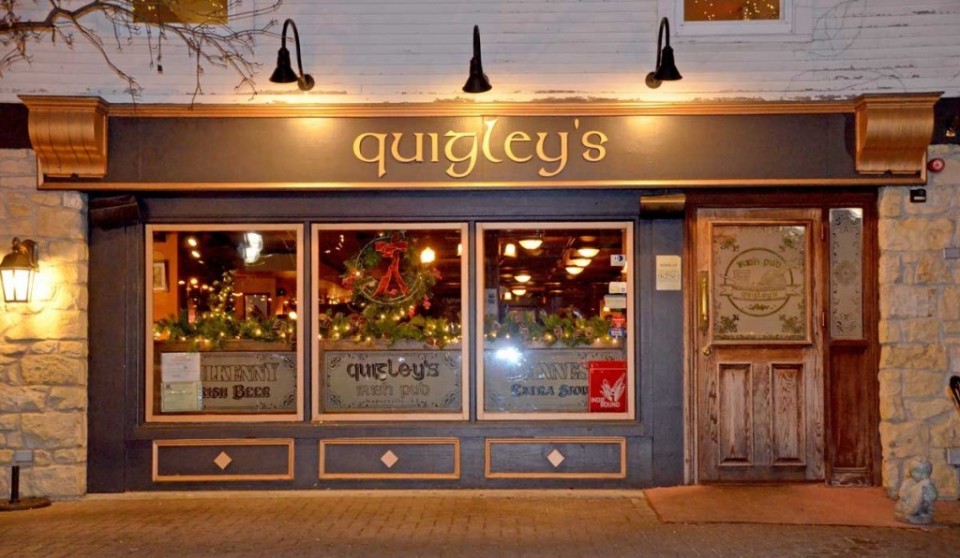
After the meeting, people will walk a couple blocks to Quigley's Irish Pub in downtown Naperville. Join the fun and hang out! MAP: https://goo.gl/maps/rWsHjiPs76L2
RESERVATIONS:
Dinner Registration Deadline: 12:00 Noon on Thursday, April 4
Lecture-only Registration Deadline: 12:00 noon Friday, April 5
QUESTIONS OR NON-WEB RESERVATIONS? Please contact the Section Office via phone (847-391-9091) or email ([email protected]).
BIOGRAPHY
John Laurence Busch is an independent historian who focuses upon the interaction between humanity and technology, specializing in the first generation of steam-powered vessels. He has devoted years of research to discovering the true story of Captain Moses Rogers and the steamship Savannah. The result is STEAM COFFIN, described by numerous book reviewers as the definitive account of what truly is America's sea saga.
MAIN LOCATION - DIRECTIONS and PARKING:
LIVE LECTURE:
North Central College
Wentz Science Center, Ratio Hall (2nd floor)
131 S. Loomis St.
Naperville, IL 60540
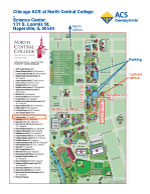
Map & Directions: http://chicagoacs.org/images/downloads/Maps_of_venues/ncc_sciencecenter.pdf
PARKING: Free in lots adjacent to the building.
TRANSIT: Metra's Naperville station on the Burlington Northern line is located two blocks northwest of campus.
REMOTE LOCATIONS - DIRECTIONS and PARKING:
 REMOTE LOCATION #1:
Purdue University Northwest
Gyte Building, Room 240
2200 169th St.
Hammond, IN 46323
Map: http://chicagoacs.org/images/downloads/Maps_of_venues/purduenw_map.pdf
PARKING: Free in lot near the building.
 REMOTE LOCATION #2:
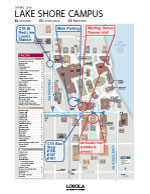
Loyola University
Flanner Hall, Room 105
1068 W. Sheridan Rd.
Chicago, IL 60660
Map: http://chicagoacs.org/images/downloads/Maps_of_venues/loyola_mapdir_flanner.pdf
PARKING: Approx. $8 in main garage
TRANSIT: CTA Red Line, Loyola station. CTA #136 Sheridan/LaSalle Express, CTA #147 Outer Drive Express, CTA #151 Sheridan.
 REMOTE LOCATION #3:
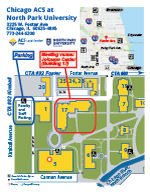
North Park University
Johnson Center (Buidling 17), Room 336
5141 N. Christiana Ave.
Chicago, IL 60625
Map+Directions: https://chicagoacs.starchapter.com/images/downloads/Maps_of_venues/northparku_mapdirs.pdf
PARKING: Available in the Faculty And Staff lot located on Kimball Ave.
TRANSIT: CTA #92 Foster and #82 Kimball have stops just steps away from the venue. CTA #93 California/Dodge stops at Foster a couple blocks to the east. CTA #82 connects to the Blue Line el at the Belmont station. The Kimball station of the Brown Line is about a 10-minute walk from campus.
 REMOTE LOCATION #4:
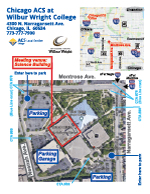
Wilbur Wright College
Science Building, Room S100
4300 N. Narragansett Ave.
Chicago, IL 60634
Map: https://chicagoacs.starchapter.com/images/downloads/Maps_of_venues/wrightcollege_map.pdf
PARKING: Available at the lots and garage off of Montrose and Narragansett.
TRANSIT: CTA #86 Narragansett/Ridgeland and CTA #78 Montrose stop at the campus. About 2 miles east of campus, CTA #78 connects to the Blue Line el train at the Montrose station AND the Metra Mayfair station on Montrose.
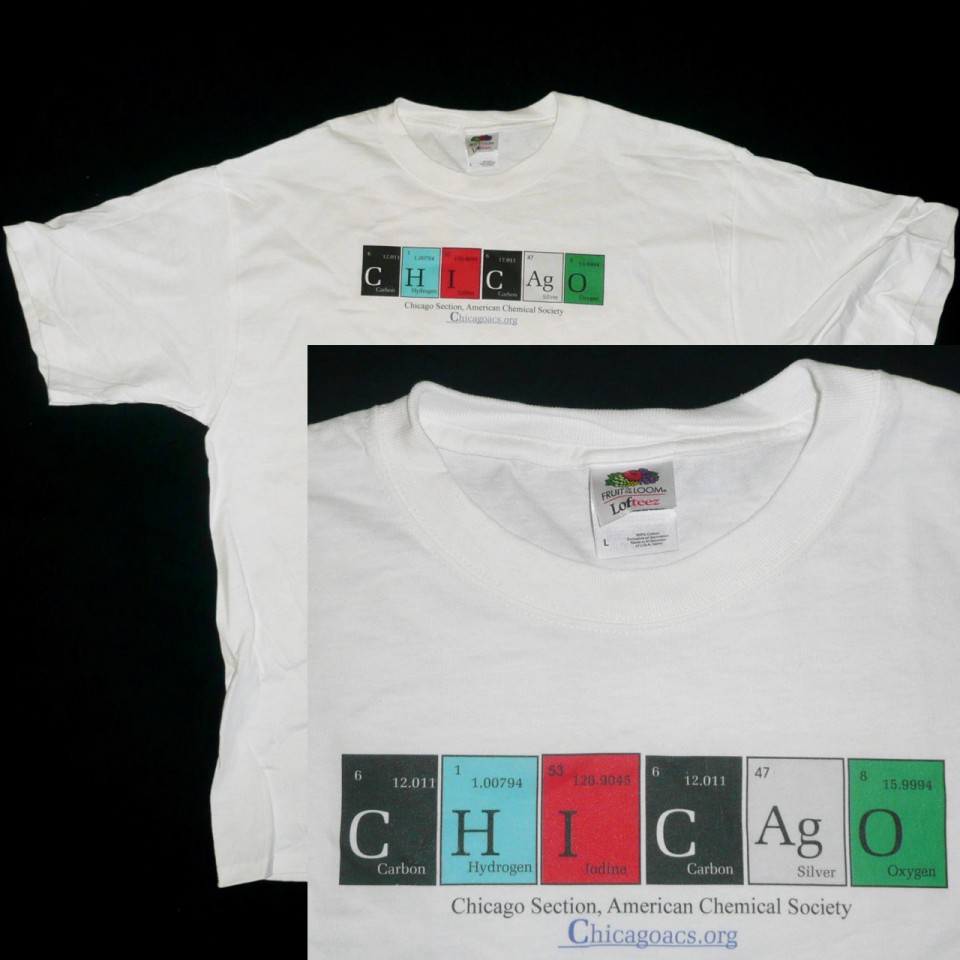
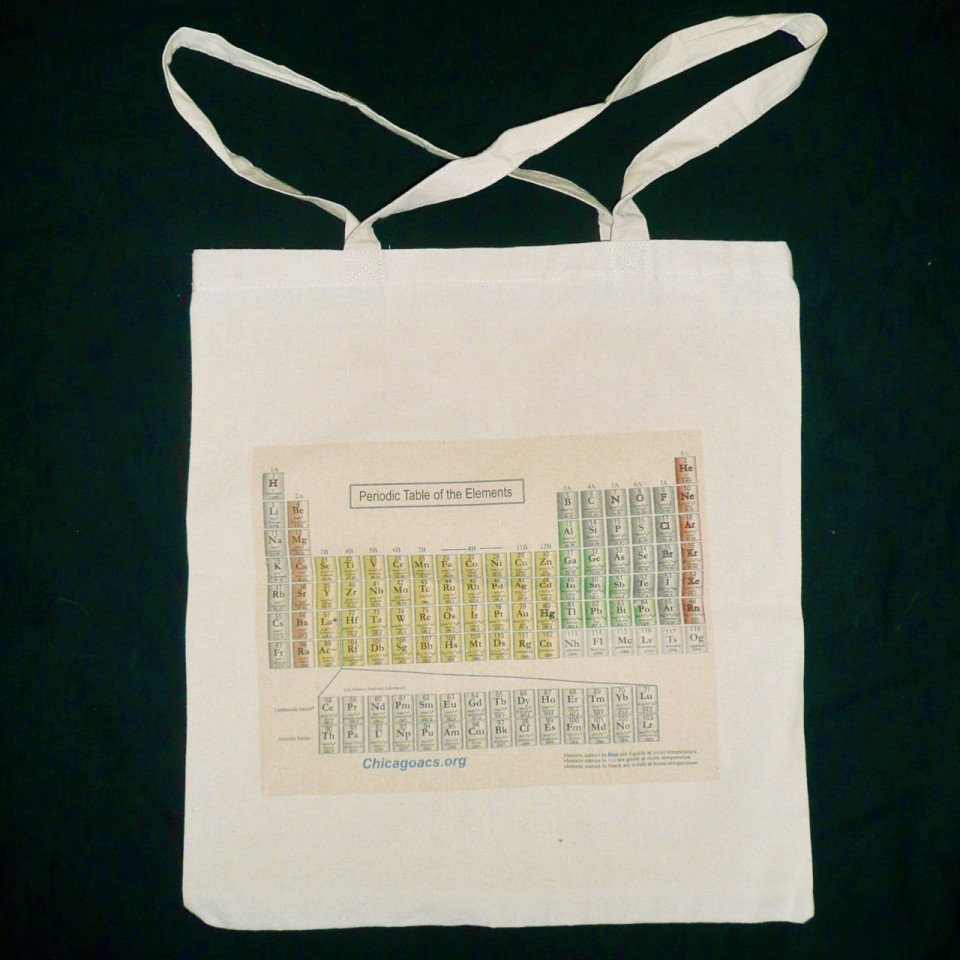
Add a T-Shirt or tote bag to your order and pick it up at the meeting!
Tickets
$20.00 MAIN SITE DINNER
$0.00 MAIN SITE - Lecture only registration
$0.00 REMOTE SITE #1 - Lecture only registration
$0.00 REMOTE SITE #2 - Lecture-only registration
$0.00 REMOTE SITE #3 - Lecture-only registration
$0.00 REMOTE SITE #4 - Lecture-only registration
$0.00 Individual Donation (flexible amount)
$0.00 Company Sponsorship (flexible amount)
$0.00 Donation to Project SEED (flexible amount)
$10.00 Tote bag: CHICAgO elements - blue
Register Now
Save the Date
|
|

AWARD CITATION
For lifelong accomplishments in inorganic chemistry, including:
• control of metal carbonyl anion structure and reactivity
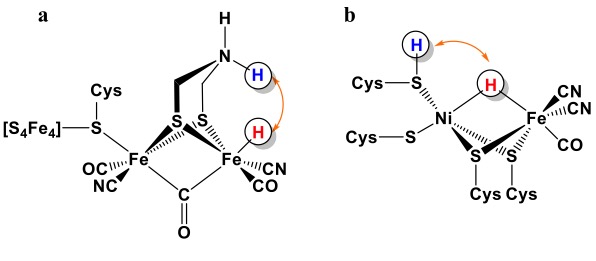
• extensive work in synthesizing complexes that serve as models for hydrogenase enzymes
• introduction of novel catalysts for hydrogen production
ABSTRACT
PROGRAM
(separate registration with GLRM required until 4 PM:: https://www.2019acsglrm.org)
Register Now
SYMPOSIUM, 9:25 AM - 4:00 PM
(Requires separate registration via https://www.2019acsglrm.org )
Craig Grapperhaus
Michael Hall
Brian Hoffmann
Thomas Rauchfuss
Charles Riordan
Bassam Shakhashiri
Wendy Shaw
The order of the speakers has not been determined at the time of publication.
DINNER
Details coming. When registering, please choose between the Meat or Vegetarian options.
RESERVATIONS:
Dinner Registration Deadline: 12:00 Noon on Monday, April 29
Lecture-only Registration Deadline: 12:00 noon Tuesday, April 30
QUESTIONS OR NON-WEB RESERVATIONS? Please contact the Section Office via phone (847-391-9091) or email ([email protected]).
BIOGRAPHY
Professor Marcetta Y. Darensbourg is a native of Kentucky, USA, with an undergraduate studies at Union College, Barbourville, Ky., and a Ph.D. from the University of Illinois. Following academic posts at Vassar College and Tulane University, she joined the faculty at Texas A&M University, College Station, TX, in 1982. She holds the title of Distinguished Professor of Chemistry. Trained as an organometallic chemist in the laboratories of Professor Theodore L. Brown, and with earlier research programs in low valent transition metal hydrides, the possibility of metal hydrides in nature, specifically as intermediates in hydrogenase enzymes lured her into the new field of bioorganometallic chemistry. She has been a leader in the development of synthetic analogues of the diiron and nickel-iron hydrogenase active sites and the insight they bring to the catalytic mechanism of these natural fuel cell catalysts. Metalloenzyme active sites that catalyze carbon-carbon coupling reactions but use abundant metals such as nickel also inspire her research activities.
Marcetta was an inaugural, 2009, Fellow of the American Chemical Society. Dr. Darensbourg was also elected as a fellow of the American Academy of Arts and Sciences in 2011, to the Royal Society of Chemistry in 2014, and the National Academy of Sciences in 2017. Most recently, she was selected by the Southeastern Conference as the 2018 SEC Professor of the Year.
DIRECTIONS and PARKING:
Sheraton Lisle
3000 Warrenville Rd
Lisle, IL 60532
Map & Directions: https://goo.gl/maps/3MYxAFtXBZB2
PARKING: free in hotel lot
Tickets
$50.00 MAIN SITE DINNER
$0.00 MAIN SITE - Lecture only registration
$0.00 Individual Donation (flexible amount)
$0.00 Company Sponsorship (flexible amount)
$0.00 Donation to Project SEED (flexible amount)
$15.00 T-shirt: CHICAgO Elements
$10.00 Tote bag: CHICAgO elements - blue
Register Now
Safety Feature

Emergency Response — A “Safety First” Minute
Best Practices to Advance a Culture of Safety
Welcome to the “Safety First” Minute for April! It is exciting to continue this best practice that we adopted at the start of the year to begin our section meetings with a reflection on a safety theme, and to provide a short write-up on this topic for the Chemical Bulletin as well. I am grateful to Peggy Schott, longtime section officer and board member, for volunteering a topic and providing written support for this month’s reflection. Peggy serves as Personal Assistant to Sir Fraser Stoddart at Northwestern University. One of Peggy’s colleagues is a new research professor, Douglas Philp, who came from the University of St. Andrews in Scotland and still has a laboratory at the university.
On February 10, 2019, a significant fire broke out in the Biomedical Sciences Building at St. Andrews. Luckily, there were no injuries or fatalities. The fire severely damaged four labs as it spread upwards and downwards through the building, and water damage was extensive. In an email to colleagues and friends at Northwestern, Douglas Philp shared several observations relative to the fire and its impact. Thank you to Professor Philp for granting permission to share this information with the Chicago Section as well.
• “Whilst the formal investigation is currently ongoing, it appears that the source of the fire was an incident with a flammable base bath that was being used to clean glassware containing a small amount of potassium. The ensuing situation could not be contained and controlled by the personnel in the lab, and the result is significant destruction which resulted in closing of the building. Repairs and renovation are expected to take 18–24 months.”
• “When considering an operation in the laboratory, you must always make an assessment of the process risk as well as the chemical hazard. If you cannot contain the worst-case scenario in terms of process risk, you should not be doing the experiment.”
• “If faced with an incident involving fire, raise the alarm immediately, make sure everyone in the area evacuates and then, and only if it does not place you at excessive risk, try to contain the fire. “
This last point really struck home with me. When confronted with a “small” or incidental fire on a laboratory benchtop, in a commercial work space, or even at home, when is the right time to call an alarm? As the reports from St. Andrews suggest, an event that may seem trivial or small at first can quickly spiral out of control.
Do you have ideas or suggestions for future “Safety First” Minutes? Please contribute! Call or email me, our section chair, or the editor of the Chemical Bulletin to suggest topics.
- Irene Cesa
Great Lakes Regional ACS Meeting

Great Lakes Regional Meeting – May 2019
The 2019 Great Lakes Regional Meeting will take place on May 1-4, 2019 at the Sheraton Hotel, in Lisle, IL approximately 30 minutes from O’Hare airport Whether you’re in academia, industry, or another chemistry-related position, GLRM 2019 has something for you! Details can be found on the meeting website at https://www.2019acsglrm.org/.
The theme of the meeting is Chemistry Connections: Careers, Education, and Sustainability, and the program will feature technical sessions from Electrochemistry, Physical Chemistry and Spectroscopy, Chemical Education, Materials Chemistry, Organic Chemistry, Medicinal Chemistry, Consumer Chemistry, Analytical Chemistry, and Bio-related Chemistries. Symposia sessions within these areas will highlight advances in the field of chemistry as they pertain to topic-specific sessions. The meeting will feature 2016 Nobel Laureate Sir Fraser Stoddart as the plenary speaker. The awards banquet will feature the Gibbs awardee, Dr. Marcetta Darensbourg. A symposium honoring her work will be held, as well as a symposium honoring Frederick D. Lewis. In addition to the technical symposia sessions, a general poster session and technical workshops will be offered.
The GLRM 2019 will also have a number of workshops on topics related to Active Learning, Enhanced Curriculum Tools for Development, Molecular Modeling, Fostering Innovation, Chemistry Careers, Online Platforms for Professional Development, and Improving ACS local section and student chapter outreach.
Among the social highlights of GLRM 2019 will be a Keynote Reception on Wednesday night. At the event, you’ll mingle with fellow attendees and enjoy jazz and cocktails. Participants are also invited to attend the Women Chemists Luncheon on Thursday at noon and an Ice Cream Social taking place during the poster session on Thursday evening. A Project SEED Fundraising 5K will take place on Thursday morning, May 2. A new social event called “Chemists Tweetup” will take place in the evening on Friday after the Banquet Awards Dinner. Attendees can sign up to join other attendees at local restaurants, network with one another, and experience all the Chicago area has to offer.
A Career Day on Saturday, May 4, 2019 will be held for mid-career chemists and students. A workshop on interviewing, as well as resume reviews and an employer showcase will be held as part of the Career Day.
A High School Chemistry program is to be held on Saturday, May 4, 2019.
Again, further details, including names and contact information for program and session chairs, can be found on the meeting website at https://www.2019acsglrm.org/. ACS room rates will apply to the block of rooms reserved at the Sheraton Lisle Naperville Hotel in Lisle, IL.
We hope to see you there.
Historical Feature

The Willard Gibbs Award
The Willard Gibbs Award has been presented by the Chicago Section of the American Chemical Society since 1911. It was founded by William A. Converse (1862-1940), a former Chairman and Secretary of the Chicago Section and named for Professor Josiah Willard Gibbs (1839-1903) of Yale University. Gibbs, whose work with Maxwell and Boltzmann developed the field of Statistical Mechanics and is known to millions of undergraduates for Gibbs Free Energy (developed in 1933), as he solved the question of the maximum amount of work that can be done by a system on the universe during a change in state of the system (ΔGsys=-TΔSunv) and ultimately the more familiar ΔG=ΔH-TΔS.
The purpose of the award is "To publicly recognize eminent chemists who, through years of application and devotion, have brought to the world developments that enable everyone to live more comfortably and to understand this world better." Gibbs was chosen to be the model for the award as an outstanding example of creativity in scientific investigation. Medalists are selected by a national jury of twelve eminent chemists from different disciplines elected by the Chicago Section ACS Board. The nominee must be a chemist who, because of the preeminence of their work in and contribution to pure or applied chemistry, is deemed worthy of special recognition.
Mr. Converse supported the award personally for a number of years, and then established a fund for it in 1934 that had subsequently been supported by the Dearborn Division of W.R. Grace & Co. Considerable contributions to the award have also been made by J. Fred Wilkes and his wife. The award consists of an eighteen-carat gold medal having, on one side, the bust of J. Willard Gibbs, for whom the medal was named. On the reverse is a laurel wreath and an inscription containing the recipient's name.
Most of the awardees that you see below are familiar to chemists regardless of specialty. This fame may result from later recognition, including, in many cases, the Nobel Prize, or the reason may be that textbooks have permanently associated many of these names with classic reactions or theories.
PAUL BRANDT
My Favorite Element

Arsenic
“A fit of anger is as fatal to dignity as a dose of arsenic is to life.” --Josiah Gilbert Holland
As a mystery lover, I’m always interested in learning about chemical elements and compounds that are poisonous. Arsenic is well known as a poison as a pure element or in creating poisonous chemical compounds. Who hasn’t seen the movie “Arsenic and Old Lace?”
It’s been well known for thousands of years and was very important to alchemists. Forms of arsenic occur in minerals like Realgar (red, As4S4) or Orpiment (yellow, As2S3). It was often added to lead or copper to strengthen bronze. The pure element was isolated in 1250 by Albertus Magnus (St. Albert the Great, German Catholic Dominican Friar and Bishop) by heating soap together with arsenic trisulfide.
 |
| realgar - Photo by Rob Lavinsky, iRocks.com |
 |
| orpiment - Photo by Mark Kielbaso, MineRatMinerals.com |
Arsenic was commonly used in medicine, painting, or agriculture. “White arsenic” (arsenic trioxide) was mixed with vinegar and chalk and ingested or applied on the skin by women in Victorian times to make their complexions paler. Various forms have been used for centuries to kill cancer, psoriasis, syphilis, trypanosomiasis, or use as a stimulant. Its bright yellow color made it popular as a pigment, most notably Paris Green, Scheele’s Green, and London Purple. Arsenic compounds are toxic to insects, bacteria, and fungi, so it was commonly used as a wood preservative, insecticide, or herbicide. Until fairly recently arsenic was used as a food additive, Roxarsone (a trioxo-derivative), in poultry and swine production to prevent disease.
Most famously, it has been used as a readily available poison. Its lack of color, taste, and odor made it ideal to mix in food and drink without detection. Small doses could be used over time to induce weakness, vomiting, coma, paralysis, and death, and was often confused with simple food poisoning or disease. It was used by the Borgias to kill rivals and gain power in Rome. Likewise, it has been suggested that it led to the death of Napoleon Bonaparte in 1821, early death to countless men to create wealthy widows, and the illness of Claire Booth Luce as US Ambassador to Italy. It was not until 1836 that the chemist James Marsh developed a reliable test for arsenic that could be used in criminal trials. The Marsh test used sulfuric acid and zinc to generate arsine, AsH3, which would eventually be reduced to a silvery-black deposit of arsenic using as little of an amount as 0.02mg.
Pure arsenic does not melt but sublimes. The element arsenic occurs in nature with one stable isotope, 75As, but dozens of radioisotopes have been synthesized ranging in atomic mass from 60 to 92. The most stable of these is 73As with a half-life of 80.3 days (product 73Ge); other isotopes include 74As with a half-life of 17.8 days, or 76As with half-life of 1.1 days. Arsenic is similar in chemistry to phosphorus, and the most stable compounds are trioxides. Arsenic readily forms organoarsenic compounds with the most common being cacodyl-related and highly toxic and odiferous.
- Bernie Santarsiero
Cartoon

Harris Cartoon with Sturla Commentary

Drilling muds are viscous fluids of chemical mixtures used in geotechnical drilling to flush boreholes, carry debris to the surface, lubricate drills and related functions — the humor is that this sounds pretty much like a process, on a very different scale, that cosmetics users would like to achieve with pores in their skin! It is funny in part because of the absurdity of using an engineering-scale chemical mixture as a personal care product. But perhaps the real joke is that skin care products, like many products people use every day, are all mixtures of chemicals, and the perception of their safety or toxicity may have more to do with how they are marketed than their actual chemical composition.
-- Shana Sturla, ETH Zürich
[Sturla is Editor-in-Chief of the ACS journal Chemical Research in Toxicology]
Community Activities


PDF Entry form: http://chicagoacs.starchapter.com/images/downloads/CommunityActivities/ccew_poem_contest_entry_form_2019.pdf
Chicago ACS Finances

CHICAGO SECTION AMERICAN CHEMICAL SOCIETY
PROFITS & LOSSES
JANUARY THROUGH DECEMBER 2018
|
Income |
||||
|
Affiliate Membership Dues |
15.00 |
|||
|
Chem. Bull. Advertising |
5,000.00 |
|||
|
Donations |
1,224.00 |
|||
|
Educational Registration |
260.00 |
|||
|
Gibbs Meeting Registrations |
2,764.00 |
|||
|
Investment Transfer |
0.00 |
|||
|
JP Morgan Chase Earnings |
58,257.01 |
|||
|
Local Section Dues |
29,564.50 |
|||
|
Meeting Registrations |
6,408.29 |
|||
|
Miscellaneous Revenues |
772.59 |
|||
|
Nat'l Allottments & Commissions |
25,179.00 |
|||
|
National ACS Reimbursments |
25,958.07 |
|||
|
Project SEED Income |
2,500.00 |
|||
|
Total Income |
157,902.46 |
|||
|
Expense |
||||
|
Awards |
2,007.29 |
|||
|
Chair |
110.38 |
|||
|
Chair-Elect |
772.59 |
|||
|
Chem. Bull. Production |
2,900.00 |
|||
|
College Education |
626.45 |
|||
|
Community Affairs |
14.26 |
|||
|
Comptroller |
1,233.36 |
|||
|
Credit Card Exp Dinner Mtg. |
240.06 |
|||
|
Dinner Meetings |
6,054.08 |
|||
|
Gibbs Arrangments |
10,860.58 |
|||
|
Great Lakes Reg. Mtg. |
2,000.00 |
|||
|
High School Education |
300.00 |
|||
|
Historian |
200.00 |
|||
|
Hospitality |
795.81 |
|||
|
House |
1,317.28 |
|||
|
Illinois State Fair |
1,500.00 |
|||
|
Insurance |
1,706.76 |
|||
|
Office |
1,432.40 |
|||
|
Payroll Expenses |
40,846.20 |
|||
|
Postage |
286.35 |
|||
|
Program |
918.26 |
|||
|
Project SEED |
5,000.00 |
|||
|
Public Affairs |
228.63 |
|||
|
Rent |
11,203.44 |
|||
|
Scholarships |
12,500.00 |
|||
|
Secretary |
611.82 |
|||
|
Telephone |
2,287.32 |
|||
|
Travel (Councilor) |
32,745.19 |
|||
|
Web |
1,553.59 |
|||
|
Younger Chemists |
131.41 |
|||
|
Total Expense |
142,383.51 |
|||
|
Net Income |
15,518.95 |
|||
BALANCE SHEET
|
ASSETS |
|||||
|
Current Assets |
|||||
|
Checking/Savings |
|||||
|
CHASE BANK |
-1,212.20 |
||||
|
Total Checking/Savings |
-1,212.20 |
||||
|
Accounts Receivable |
|||||
|
Accounts Receivable |
0.00 |
||||
|
Total Accounts Receivable |
0.00 |
||||
|
Other Current Assets |
|||||
|
Gibbs Medal Inventory |
15,135.00 |
||||
|
JP Morgan Chase Alt. Assets |
25,021.50 |
||||
|
JP Morgan Chase Cash |
-14,968.15 |
||||
|
JP Morgan Chase Equities |
653,626.10 |
||||
|
JP Morgan Chase Fixed Income |
545,346.67 |
||||
|
JP Morgan Chase Sweep Dep MMF |
52,808.33 |
||||
|
JP Morgan Chase Unreal Cap Gain |
263,891.05 |
||||
|
Total Other Current Assets |
1,540,860.50 |
||||
|
Total Current Assets |
1,539,648.30 |
||||
|
Fixed Assets |
|||||
|
Security Deposit |
781.67 |
||||
|
Total Fixed Assets |
781.67 |
||||
|
TOTAL ASSETS |
1,540,429.97 |
||||
|
LIABILITIES & EQUITY |
|||||
|
Liabilities |
|||||
|
Current Liabilities |
|||||
|
Other Current Liabilities |
|||||
|
Contingency Reserve Fund |
39,884.66 |
||||
|
Freud Trust Endowment Fund |
6,685.49 |
||||
|
General Endowment Fund |
24,124.75 |
||||
|
Holding Fund |
1,564.88 |
||||
|
Ipatieff Library Endowment Fund |
20,072.51 |
||||
|
Lishka Scholarship Endow. Fund |
93,591.10 |
||||
|
Marshall S. Smoler Endowment |
47,052.84 |
||||
|
Meeting Place Reserve Fund |
177,376.20 |
||||
|
Payroll Liabilities |
1,136.55 |
||||
|
Project SEED Endowment Fund |
46,403.82 |
||||
|
Schaar Scholarship Fund |
19,188.57 |
||||
|
Scholarship Endowment Fund |
735,975.28 |
||||
|
Scholarship Operating Fund |
92,517.00 |
||||
|
W. Gibbs Medal Endowment Fund |
36,847.36 |
||||
|
Total Other Current Liabilities |
1,342,421.01 |
||||
|
Total Current Liabilities |
1,342,421.01 |
||||
|
Total Liabilities |
1,342,421.01 |
||||
|
Equity |
|||||
|
Opening Bal Equity |
7,473.46 |
||||
|
Retained Earnings |
175,016.55 |
||||
|
Net Income |
15,518.95 |
||||
|
Total Equity |
198,008.96 |
||||
|
TOTAL LIABILITIES & EQUITY |
1,540,429.97 |
||||
Who Is This?

National Chemistry Expo 1970
By Josh Kurutz, Section Historian
Kodachrome slides in a box labeled “NCE 1970” were recently discovered in the archive, sparking an inquiry into what was once a major preoccupation of the Chicago Section: the National Chemical Exposition. The NCE was a multifaceted event similar to a National ACS meeting, involving technical talks, booths hosted by companies, sponsored displays of recent advances in chemistry, exhibits of photography and artwork by chemists, and other activities.

The people shown here in such rich color and displaying sharp 1960’s fashion sense were apparently the NCE organizing committee. The organizational meeting was apparently held in October 1969 at the Chicago Section offices at 86 E. Randolph St., in Chicago, kittycorner from where Millennium Park is today. Unfortunately, these beautiful slides were unmarked except for the date, the identities of these chemists are unrecorded.
The full gallery of these photos, which can be expanded for better viewing, is now found on our website:
https://chicagoacs.org/gallery.php?id=82
If you know who any of these people are, please send an email to: historian-at-chicagoacs-dot-org.
CLUES: The September 1969 and October 1970 issues of the Chemical Bulletin include rosters of elected officers, committee chairs, and trustees for various funds owned by the Section. The ‘Exposition Trustees” of the time included Roy Bible, Grant Barlow, L. W. Clemence, F. K. Kauffmann, and R. P. Mariella, and they may be among the ones depicted. Barlow is also listed as the Chair of the ad hoc National Chemical Exposition committee. To the Historian’s eye, NCE70-2 looks like Roy Bible; do you agree?

The NCE was a “grand undertaking … conceived in 1940”, according to 1975-76 Chair Louis Sacco, Jr. in his October 1978 Chemical Bulletin article, “The National Chemical Exposition: Child of the Chicago Section ACS”.[1] Apparently, the NCE was a major production that generated funds whose interest continues to support our activities. From 1940 to 1955 the almost-annual event was held exclusively in Chicago, but in 1956 began to travel to other cities.[2] In 1978, the National ACS Council decided that the NCE must stop as an independent event, apparently merging with the Expo portion of the national meetings.
The NCE is clearly an important part of Chicago Section History, and it must be investigated further. Stay tuned.
THANKS!
Thanks go to Dolores Kenney, Fran Kravitz, and Steve Cohen for their help with the March and February Who Is This? identifications.
We’re still looking for identities of ETE-1, HAZ-1, and HAZ-2 of the March column:
https://chicagoacs.org/gallery.php?id=79
…and 9405-B, -C, -D, and –E of the February column:
https://chicagoacs.org/gallery.php?id=77
[1] Chemical Bulletin (1978), Oct p.2
[2] Chemical Bulletin (1956), May p.10


Calendar of Events

UPCOMING EVENTS
April 6: The Marie S. Curie Girl Scout Chemistry Day program at Valparaiso University
April 8: Chicago ACS Section Dinner Meeting. See details in this issue.
April 11 – 14: 67th Annual NSTA’s National Conference on Science Education, St. Louis, MO. http://s6.goeshow.com/nsta/national/2019/overview.cfm
April 13: The Marie S. Curie Girl Scout Chemistry Day program at North Central College
April 22: Earth Day – Theme: Protect Our Species. https://www.earthday.org
May 1-4: Great Lakes Regional Meeting in Lisle, IL. https://www.2019acsglrm.org/
May 3: Chicago ACS Willard Gibbs Award Banquet. Dr. Marcetta Y. Darensbourg, Texas A&M University, is the recipient of the 2019 Willard Gibbs medal at the Sheraton Lisle. See details in this issue.
May 4: The Marie S. Curie Girl Scout Chemistry Day program at Oakton Community College
May 11: STEAM Conference, Northeastern Illinois University. https://www.steamconf.org/
June 11-13: 23rd Annual Green Chemistry & Engineering Conference and 9th International Conference on Green and Sustainable Chemistry in Reston, VA. https://www.gcande.org/
June 17: You Be The Chemist National Challenge


